 A dry basement is essential for maintaining the structural integrity of a home and preventing costly damage caused by water infiltration. One of the most effective solutions for basement waterproofing is the installation of a French drain system. This underground drainage solution is designed to redirect water away from the foundation, preventing leaks, mold growth, and structural instability.
In this comprehensive guide, we will explore how French drains work, their benefits, the installation process, and maintenance tips to ensure long-term protection for your home.
What is a French Drain and How Does it Work?
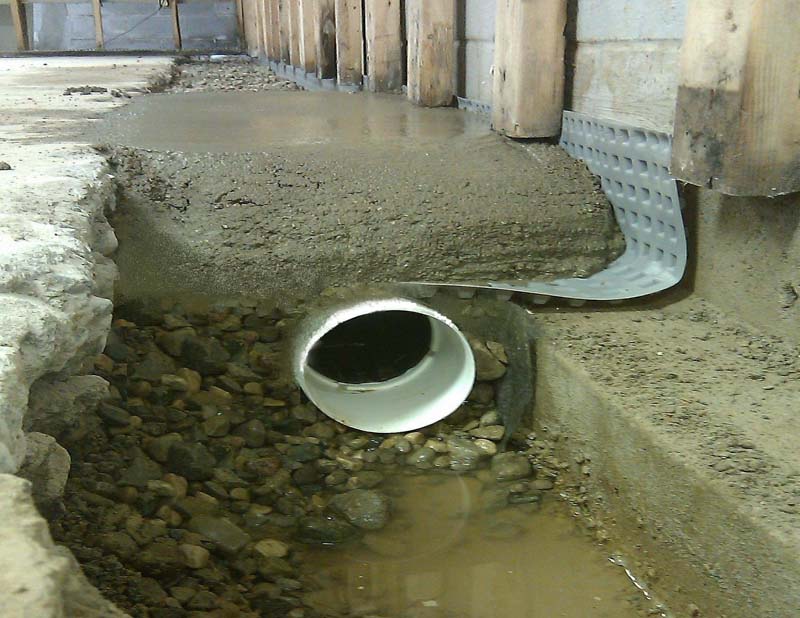
A French drain is a trench filled with gravel or rock that contains a perforated pipe designed to channel water away from a home’s foundation. It works by collecting excess groundwater and directing it to a safe drainage area, such as a storm drain, dry well, or sump pump system.
The principle behind a French drain is simple: gravity and permeability. When water saturates the soil near a home’s foundation, it naturally seeps into the trench where the perforated pipe captures and redirects it away from the property. This prevents water accumulation that could lead to basement leaks and structural issues.
Types of French Drains
French drains come in different variations, depending on their intended use:
- Exterior French Drains – Installed around the perimeter of a home’s foundation, these drains intercept surface water and groundwater before it reaches the basement.
- Interior French Drains – Placed inside the basement along the perimeter walls, these drains capture water that has already entered the basement and direct it to a sump pump for removal.
- Curtain Drains – Installed away from the foundation, curtain drains help manage excess water from rain or high water tables before it reaches the home.
Benefits of Installing a French Drain
1. Prevents Basement Flooding
One of the main advantages of a French drain system is its ability to prevent water from pooling around the foundation. By channeling water away, it reduces the risk of basement flooding and water damage.
2. Reduces Hydrostatic Pressure
Hydrostatic pressure occurs when water builds up in the soil surrounding a foundation. Over time, this pressure can force water through cracks and porous surfaces, leading to leaks and structural damage. A properly installed French drain relieves hydrostatic pressure by directing water away from the foundation.
3. Prevents Mold and Mildew Growth
Excess moisture in the basement creates a breeding ground for mold and mildew, which can lead to poor indoor air quality and health issues. A French drain keeps the basement dry, reducing the conditions that allow mold to thrive.
4. Protects the Home’s Foundation
Water intrusion can weaken concrete foundations, leading to cracks, erosion, and even foundation settlement. A French drain helps maintain soil stability and prevents excessive moisture from compromising the foundation.
5. Enhances Property Value
A home with a dry, well-maintained basement is more attractive to potential buyers. Installing a French drain demonstrates proactive home maintenance, making the property more desirable and increasing its resale value.
French Drain Installation Process
The installation of a French drain system requires careful planning and execution. Here’s a step-by-step guide on how professionals install these drainage systems:
Step 1: Site Evaluation
Before installing a French drain, professionals assess the property to determine the best location and drainage route. Key considerations include soil type, slope, and existing drainage issues.
Step 2: Excavation
A trench is dug along the foundation or in the desired drainage area. The depth and width of the trench depend on the severity of the water issue and the property’s layout.
Step 3: Lining the Trench
A geotextile fabric is laid inside the trench to prevent soil and debris from clogging the perforated pipe.
Step 4: Laying Gravel and Pipe
A layer of gravel is placed at the bottom of the trench before inserting the perforated pipe. The pipe is positioned with holes facing downward to collect water efficiently.
Step 5: Covering the Pipe
Additional gravel is added on top of the pipe to aid drainage. The trench is then covered with soil, decorative rocks, or turf to blend with the landscape.
Step 6: Connecting to a Drainage System
The drain is directed toward an appropriate outlet, such as a dry well, storm drain, or sump pump system, ensuring water is safely discharged away from the home.
Maintenance Tips for French Drains
A well-maintained French drain system can provide years of effective waterproofing. Here are essential maintenance tips:
1. Regular Inspections
Check the drain for clogs, debris buildup, or signs of blockages, especially after heavy rains.
2. Keep the Drainage Outlet Clear
Ensure that the exit point where the water drains remains unobstructed by dirt, leaves, or roots.
3. Flush the System Periodically
Use a garden hose or high-pressure water source to flush out any sediment or buildup inside the perforated pipe.
4. Monitor for Standing Water
If you notice water pooling around the foundation, it may indicate a blockage or an undersized drain requiring adjustments or professional servicing.
5. Professional Inspections
Having a professional inspect and maintain the drain every few years can help ensure it remains fully functional and effective.
Why Professional Installation Matters
While some homeowners attempt to install French drains themselves, professional installation offers significant advantages:
- Proper Design and Placement: Experts assess drainage needs and determine the ideal trench depth and location.
- High-Quality Materials: Professionals use durable materials to enhance longevity and performance.
- Correct Slope for Drainage: Ensuring the drain has the proper slope prevents water from accumulating and ensures efficient redirection.
- Warranty and Long-Term Performance: Professional installation often comes with warranties, guaranteeing the drain will function properly for years to come.
Trust Guardian Basement Waterproofing for Expert French Drain Solutions
At Guardian Basement Waterproofing, we specialize in installing high-quality French drain systems tailored to your home’s needs. Our team of experienced professionals ensures proper design, installation, and long-term functionality to keep your basement dry and protected.
We offer:
- Comprehensive assessments and consultations.
- High-quality French drain installations.
- Routine maintenance and drainage solutions.
- Customized waterproofing strategies.
Don’t wait until water damage compromises your home — contact Guardian Basement Waterproofing today for a consultation and let us help you achieve a dry, safe, and structurally sound basement.
Conclusion
French drains are an essential component of a comprehensive basement waterproofing system. By effectively managing water flow and reducing hydrostatic pressure, these drains protect your home from leaks, mold growth, and foundation damage. With proper installation and regular maintenance, a French drain can provide long-term peace of mind. If you’re experiencing basement moisture issues, investing in a professionally installed French drain system is a smart and proactive solution.

With more than 40 years of experience in the industry in both residential and commercial waterproofing; serving the Maryland Metropolitan area and Pennsylvania. Guardian has a proven record of expertise and excellent customer service. Our staff are trained and skilled technicians that work to permanently stop foundation water leaks. Guardian installs state of the art systems and specializes in basement waterproofing, basement finishing, crawl space waterproofing, repair and foundation repair.