You’ve probably given little thought to how the condition of your basement could be affecting the air you breathe. Yet, the link between poor basement waterproofing and the quality of your indoor air is more significant than you might realize. Inadequate waterproofing can create a breeding ground for mold and dust mites, which can then infiltrate the rest of your home. This not only affects the quality of your air but also potentially your health. Curious about the extent of the impact and how you can mitigate it? Let’s explore together.
Key Takeaways
- Poor basement waterproofing can lead to dampness, fostering mold growth that compromises indoor air quality.
- Mold spores from basements can circulate through the home, triggering allergies, asthma attacks, and other respiratory issues.
- Standing water or damp areas in basements attract pests, introducing diseases that further degrade air quality.
- Inadequate waterproofing can result in radon gas accumulation, a significant health risk associated with poor indoor air quality.
- Persistent musty odors from poorly waterproofed basements affect comfort levels and indicate a compromised indoor air quality.
The Link Between Basements and Air Quality
An overwhelming majority of homeowners often overlook the significant impact their basement’s condition can have on indoor air quality. You may not realize this, but your basement can be a major source of pollutants.
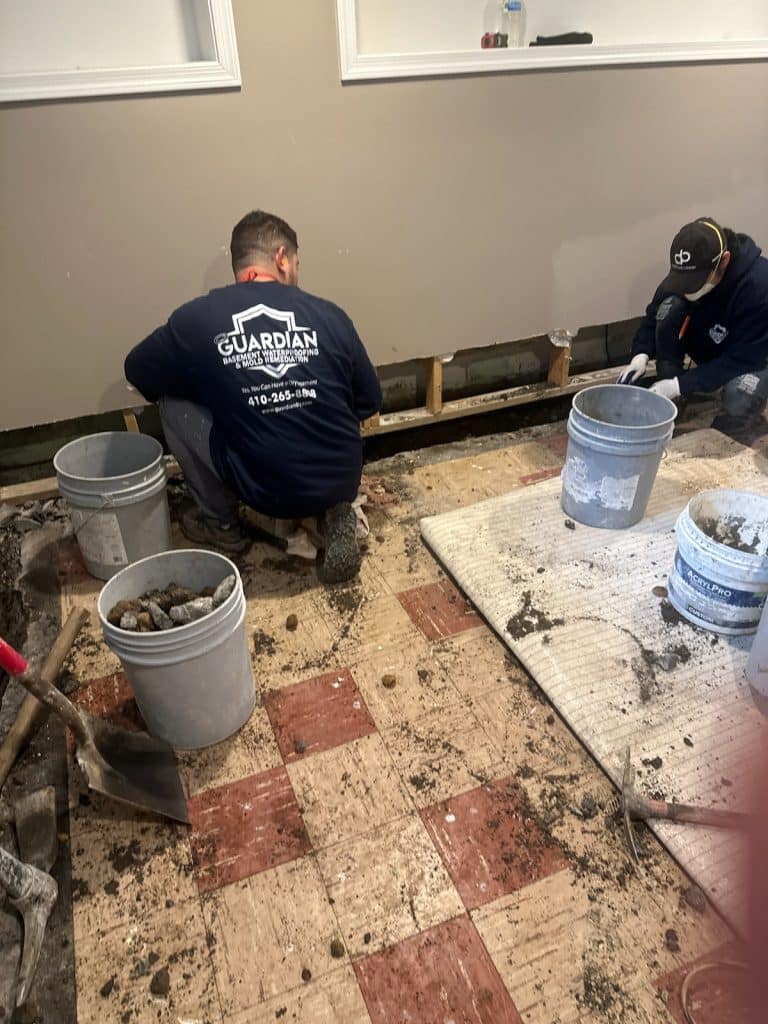
It’s frequently a damp, dark, and poorly ventilated space. This environment is perfect for mold growth and the accumulation of dust mites, both of which can trigger allergies and worsen respiratory conditions like asthma.
The air in your basement doesn’t stay there. It rises, carrying those pollutants with it and distributing them throughout your home. This is known as the stack effect. Because of this, the air quality in your entire house is affected by what’s happening in your basement.
Poorly maintained basements can also become a source of radon gas, a naturally occurring radioactive gas that’s been linked to lung cancer. The gas seeps in through cracks in the foundation and becomes trapped in your home.
In essence, ignoring your basement’s condition isn’t just about the risk of structural damage. It’s a matter that affects your day-to-day health.
Understanding Basement Waterproofing
Given the significant health risks associated with poor basement conditions, it’s clear that you need to pay attention to this part of your home.
Now, you might be wondering, what exactly does basement waterproofing entail? Well, it’s a process that helps to prevent water from entering your basement.
Basement waterproofing can take several forms, and it’s essential to understand the underlying principles to guarantee a healthy home environment.
Here are some key points:
- Interior waterproofing: This involves the use of sealants and coatings on your basement walls and floors to prevent moisture from seeping in. Though it’s not a permanent solution, it’s a good start.
- Exterior waterproofing: This is the most effective way to keep water out of your basement. It involves installing a drainage system around your home that redirects water away.
- Drainage system: Either interior or exterior, a well-functioning drainage system is vital. It guarantees that any water that manages to get close to your home is quickly and effectively redirected away.
Signs of Poor Basement Waterproofing
You mightn’t realize the extent of the damage until it’s too late if your basement isn’t properly waterproofed.
However, there are tell-tale signs you can look out for. Standing water is an obvious one. If you see puddles or damp areas, it’s a clear indicator that water is seeping into your basement.
Cracks in the walls, floors, or foundation are also a red flag. They allow water to penetrate your basement, especially during heavy rainfall.
Additionally, a musty odor can signal poor waterproofing. This smell typically arises from dampness in the basement, even if no water is visible.
Peeling paint or efflorescence, a white, powdery substance on the walls, are other signs you shouldn’t ignore. They show that water is seeping through your basement walls, causing the paint to peel and leaving behind mineral deposits.
Mold Development in Damp Basements
In the silent, unseen world of your basement, the persistent dampness can quickly give birth to an unwelcome guest – mold. This fungi thrives in damp, dark conditions, and your damp basement provides the perfect environment for it to flourish.
Its presence isn’t just an aesthetic issue; it can greatly affect your indoor air quality and eventually, your health.
Now, you might be wondering, “What’s the big deal about mold?” Well, here’s what you need to know:
- Mold releases spores into the air. These tiny particles can easily infiltrate other areas of your home, spreading mold growth and decreasing air quality.
- Mold produces an unpleasant musty odor. This isn’t just a nuisance; it’s a clear sign that your indoor air quality has been compromised.
- Mold can damage the structures of your home. Over time, it can degrade the materials of your home, causing significant damage and reducing its lifespan.
Increased Allergens and Health Risks
When mold spores float through your indoor air, they don’t just impact the structural integrity of your home; they can also wreak havoc on your health.
These tiny invaders, propelled by dampness from a poorly waterproofed basement, can trigger allergies, induce asthma attacks, and cause various respiratory issues.
You might notice symptoms like sneezing, runny nose, red eyes, and skin rash. These are often mistaken for common cold symptoms, but they’re actually your body’s reaction to mold exposure.
If you’re asthmatic or have a weakened immune system, you’re at an even greater risk. You may suffer from severe asthma attacks or lung infections.
What’s worse, some molds produce mycotoxins, potentially toxic substances that can lead to serious health conditions like neurological problems and, in rare cases, even death.
Children, the elderly, and pets are particularly vulnerable to these health risks.
Basement Waterproofing’s Role in Air Purification
You mightn’t realize it, but basement waterproofing plays an essential role in air purification.
It’s imperative to understand how basement air flow and the risk of mold growth can affect your home’s overall air quality.
Understanding Basement Air Flow
Without proper waterproofing, your basement might become a source of poor indoor air quality.
You see, basements, being below ground level, have unique air flow patterns. Faulty waterproofing can disrupt this air flow, causing contaminants to be trapped and circulate throughout your home.
Understanding how basement air flow works, you’ll realize the importance of waterproofing.
Here’s a breakdown:
- Basements are generally cooler, causing warm home air to be drawn down, creating a flow pattern known as the ‘stack effect’.
- Cracks and leaks from poor waterproofing disrupt this flow, allowing damp, stale air to seep into your home.
- Properly waterproofed basements guarantee clean, fresh air circulation, improving overall indoor air quality.
Mold Growth Risks
Poor waterproofing not only disrupts basement air flow but also fosters a perfect environment for mold growth. This mold doesn’t just damage your beautiful basement; it wreaks havoc on your indoor air quality.
Mold spores, once airborne, can easily spread throughout your entire home. You might notice a musty smell or even visible mold patches. But the real danger lies in what you can’t see. Breathing in these mold spores can lead to a host of health issues.
In your basement, mold commonly grows on wood, insulation, and other organic materials. It thrives in damp, poorly ventilated spaces — exactly what you get with poor waterproofing.
| Possible Mold Locations | Effects on Air Quality |
|---|---|
| Wood Structures | Releases harmful spores |
| Insulation | Degrades air quality |
| Wallpapers | Produces musty smell |
| Carpets | Invites allergens |
| Furniture | Damages property and air cleanliness |
Taking preventive measures like proper waterproofing is essential. It reduces dampness, inhibits mold growth, and ultimately safeguards your indoor air quality. So don’t underestimate the role of effective basement waterproofing in air purification. It’s definitely not something to overlook.
Waterproofing’s Health Benefits
Benefiting greatly from effective waterproofing, your home’s indoor air quality can take a significant turn for the better.
Your basement, once a damp and musty space, can transform into a clean, dry, and more habitable area. Ensuring the good health of everyone in your home starts with a waterproof basement.
You might be wondering, how does waterproofing lead to better air quality? Here are three key reasons:
- Mold Prevention: Waterproofing helps eliminate the damp conditions that mold thrives in. With no mold to release spores into the air, you’ll breathe easier and reduce your risk of developing respiratory problems.
- Pest Reduction: Damp basements attract pests. By waterproofing, you’re cutting off their access, preventing infestations that can degrade air quality.
- Decreased Allergens: A dry basement means fewer dust mites, another common allergen.
You’re not just protecting your home’s structure; you’re safeguarding your family’s health too.
Don’t underestimate the impact of a dry, mold-free basement on your home’s indoor air quality. Invest in professional waterproofing services and breathe a sigh of relief. Your lungs will thank you.
Effective Basement Waterproofing Techniques
Keeping your basement dry isn’t just about comfort; it’s about safeguarding your health and that of your home. There are several effective basement waterproofing techniques you can adopt to achieve this.
First, you’ve got to inspect your basement for cracks regularly. These are the main culprits for water seepage. If you find any, seal them immediately with a waterproof sealant.
Next, consider the installation of a sump pump. This device works to drain water that has accumulated in your basement, preventing the formation of damp conditions favorable for mold growth.
Another technique involves the application of waterproofing coatings and membranes on your basement walls. These act as barriers, keeping out excess moisture.
You should also ascertain your gutters and downspouts are in good shape. They should be free of debris and direct water away from your home’s foundation.
Lastly, consider installing a dehumidifier to control humidity levels. High humidity can lead to condensation, which in turn contributes to dampness.
With these techniques, you’ll not only keep your basement dry but also improve your home’s indoor air quality.
The Long-term Impact on Indoor Air Quality
In the absence of proper basement waterproofing, you may find yourself dealing with more than just a damp basement. The long-term impact on indoor air quality can be significant and potentially harmful.
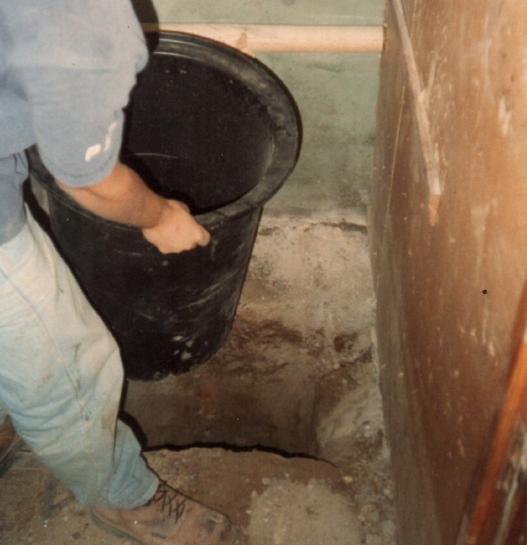
Without effective waterproofing, your basement can become a breeding ground for mold and mildew. These spores, once airborne, will circulate in your home’s air. You’re not just looking at a musty smell; this can lead to serious health issues like allergies, asthma, and other respiratory problems.
What’s more, a damp basement also attracts pests like rats and insects. These creatures carry diseases that can contaminate your air, leading to additional health risks.
To give you a deeper understanding, here’s how poor basement waterproofing can affect your indoor air quality:
- Mold and mildew spores get into your HVAC system, spreading throughout your house and causing various respiratory issues.
- Damp conditions attract pests, which carry diseases that can get into your air.
- The damp, musty smell decreases the overall comfort and livability of your home.
Don’t underestimate the importance of proper basement waterproofing. It’s not just about keeping your basement dry; it’s about keeping your home’s air clean and safe.
Frequently Asked Questions
What Is the Cost of Professional Basement Waterproofing?
You’re wondering about the cost of professional basement waterproofing. It varies greatly, but you’ll likely spend between $2,000 to $6,000. However, it’s essential to remember, prices depend on the complexity and size of the job.
Can Regular Household Products Be Used for Basement Waterproofing?
Yes, you can use regular household products for basement waterproofing. However, they may not provide the same level of protection as professional solutions, potentially leading to dampness, mold growth, and poor indoor air quality.
What Is the Estimated Time Frame for Waterproofing a Basement?
You’re asking about the time frame for waterproofing a basement. It typically takes 1-3 days, but it can vary depending on the size of the basement and the severity of the water issues you’re dealing with.
Does Homeowners Insurance Typically Cover Basement Waterproofing?
No, your homeowners insurance doesn’t typically cover basement waterproofing. It’s considered a maintenance issue, not accidental damage. You’re responsible for protecting your home against moisture and the potential health risks it can cause.
Are There Any Environmental Concerns Related to Basement Waterproofing Materials?
Yes, there are environmental concerns. Some waterproofing materials can release harmful chemicals, affecting your indoor air quality. It’s essential you choose eco-friendly alternatives to protect both your health and the environment.
Conclusion
Think of your home as a ship; poor basement waterproofing is like a leaky hull, gradually letting in water and unwanted pests. This results in a 30-50% increase in respiratory problems and allergies. It’s not just about keeping your ‘ship’ afloat, it’s about ensuring your crew – your family – breathes in clean, healthy air. So, invest in robust waterproofing, plug those leaks, and keep your indoor air quality shipshape.

With more than 40 years of experience in the industry in both residential and commercial waterproofing; serving the Maryland Metropolitan area and Pennsylvania. Guardian has a proven record of expertise and excellent customer service. Our staff are trained and skilled technicians that work to permanently stop foundation water leaks. Guardian installs state of the art systems and specializes in basement waterproofing, basement finishing, crawl space waterproofing, repair and foundation repair.