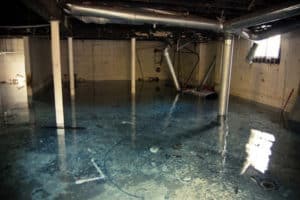
A leaky basement might seem like a minor inconvenience, but don’t let its seemingly harmless nature fool you. What begins as a small drip can rapidly escalate into major issues, affecting your home’s structural integrity and the health of its occupants. This comprehensive guide will explore how basement leaks develop into severe problems, the potential consequences, and effective strategies for prevention and repair.
The Quiet Culprits: How Basement Leaks Begin
1. Cracks in the Foundation: Small cracks in your foundation are often the starting point for basement leaks. These cracks can emerge due to various factors, including soil settlement, hydrostatic pressure, or natural wear and tear. Once water finds its way through these cracks, it initiates the leak, which can progressively worsen if not addressed.
 2. Poor Exterior Drainage: Ineffective exterior drainage is a common but often overlooked cause of basement leaks. If water isn’t directed away from the foundation efficiently, it can pool around the basement walls. This water accumulation increases the risk of infiltration through cracks, joints, or porous concrete.
3. Clogged Gutters and Downspouts: Gutters and downspouts play a crucial role in diverting rainwater away from your home. When they become clogged with debris or if they malfunction, water can overflow, saturating the soil around your foundation. This situation heightens the risk of basement leaks.
4. Hydrostatic Pressure: Heavy rainfall or snowmelt can cause changes in the water table, leading to increased hydrostatic pressure against your foundation walls. This elevated pressure can force water through any available openings, exacerbating basement leaks and causing further damage.
The Escalation: How Basement Leaks Develop into Serious Problems
1. Mold and Mildew Growth: Persistent basement leaks create a damp environment that fosters mold and mildew growth. These fungi not only compromise indoor air quality but also pose health risks such as respiratory issues and allergies. Early intervention is crucial to prevent these health hazards.
2. Structural Damage: Continuous moisture exposure weakens your foundation’s structural integrity over time. Water infiltration can lead to cracked, deteriorating concrete, and damage to load-bearing walls. Addressing these issues promptly is essential to avoid costly repairs and ensure your home remains structurally sound.
3. Foundation Shifts and Settling: Excessive moisture can cause soil erosion around your foundation, leading to foundation shifts and settling. As the foundation moves, cracks may widen, worsening basement leaks and compromising your home’s stability. Proper drainage and moisture control are vital to prevent these problems.
4. Electrical Hazards: Water and electricity don’t mix well. Basement leaks can result in water coming into contact with wiring, outlets, or electrical appliances, creating a dangerous environment. Risks include short circuits, electrical shocks, and potentially fires. Ensuring that electrical systems are protected from water exposure is critical.
5. Damage to Belongings: Items stored in the basement, including furniture, clothing, and valuables, are at risk of water damage. Leaks can lead to the loss of cherished belongings and important items, adding both financial and emotional costs to the situation.
6. Decreased Property Value: Homes with a history of basement leaks are often seen as having structural issues, which can lower property value. This can make selling the home challenging and potentially result in financial setbacks.
7. Unpleasant Odors: The growth of mold and mildew, combined with damp conditions, can produce persistent musty odors in the basement. These odors can spread throughout the home, creating an uncomfortable living environment.
8. Compromised Indoor Air Quality: Mold spores released into the air from basement leaks can significantly impact indoor air quality. Prolonged exposure to poor air quality may lead to respiratory issues and other health concerns for residents.
Proactive Measures: Preventing and Addressing Basement Leaks
1. Regular Inspections: Conducting regular inspections of your basement is crucial. Look for signs of water infiltration, such as damp spots or stains. Early detection allows for timely intervention before minor issues escalate into major problems.
 2. Exterior Drainage Maintenance: Maintain your exterior drainage systems, including gutters, downspouts, and grading. Clean gutters regularly, ensure downspouts direct water away from the foundation, and maintain proper grading to prevent water accumulation near your basement walls.
3. Foundation Sealing: Promptly seal cracks and gaps in your foundation using waterproofing sealants. This helps create a barrier against water infiltration and prevents minor cracks from becoming major pathways for water.
4. French Drain Installation: Installing a French drain around your home’s perimeter can effectively manage water around the foundation. This drainage system, which includes a perforated pipe and gravel, helps divert water away from the foundation, reducing the risk of hydrostatic pressure and leaks.
5. Sump Pump Maintenance: If you have a sump pump, ensure it is properly maintained and functioning. Regularly test the pump and its backup systems to prevent malfunctions that could lead to basement flooding.
6. Waterproofing Exterior Walls: Apply a waterproofing membrane or coating to the exterior walls of your foundation. This extra layer of protection enhances the foundation’s resistance to water infiltration, reducing the likelihood of leaks.
7. Interior Drainage Systems: Consider installing interior drainage systems such as channel drains or perimeter drains to manage water infiltration. These systems collect and redirect water away from the basement floor, preventing significant water damage.
8. Elevate Stored Items: Store belongings on raised platforms or shelves to protect them from potential water damage. Elevating items above potential water levels helps minimize the impact of leaks on your possessions.
9. Invest in a Dehumidifier: Using a dehumidifier can help maintain optimal humidity levels in the basement, preventing mold and mildew growth. This also creates an environment less conducive to serious water-related problems.
10. Consult with Waterproofing Professionals: If you notice persistent leaks or suspect significant issues, consult with waterproofing professionals. Their expertise can help identify the root causes of the problems and provide tailored solutions to address and prevent further escalation.
Conclusion
Basement leaks, if left unaddressed, can escalate into severe problems that compromise your home’s structural integrity and the well-being of its occupants. By understanding the causes and consequences of basement leaks, you can implement proactive measures to prevent and address these issues effectively. Regular inspections, proper drainage maintenance, sealing foundation cracks, and investing in waterproofing solutions are essential steps to safeguard your home. Act swiftly and proactively to prevent drips from turning into disasters, ensuring the long-term stability and safety of your home.

With more than 40 years of experience in the industry in both residential and commercial waterproofing; serving the Maryland Metropolitan area and Pennsylvania. Guardian has a proven record of expertise and excellent customer service. Our staff are trained and skilled technicians that work to permanently stop foundation water leaks. Guardian installs state of the art systems and specializes in basement waterproofing, basement finishing, crawl space waterproofing, repair and foundation repair.