Crawl spaces are often neglected areas of a home, tucked away beneath the main living space. However, they play a crucial role in maintaining the structural integrity and overall health of a house. Unfortunately, crawl spaces are prone to moisture problems, which can lead to mold growth, wood rot, and other issues. Crawl space waterproofing is the solution to these problems, ensuring a dry and healthy environment. In this comprehensive guide, we’ll delve into the various crawl space waterproofing techniques, their costs, and why they are essential for every homeowner.
Understanding Crawl Space Waterproofing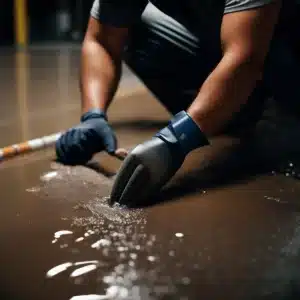
Crawl space waterproofing involves a series of techniques and materials designed to prevent water intrusion and moisture buildup in the crawl space area. This is essential for maintaining the structural integrity of the home and preventing damage to the foundation, floor joists, and other structural elements.
There are several common sources of moisture in crawl spaces, including groundwater seepage, surface water runoff, and condensation. These sources can lead to high humidity levels, standing water, and damp conditions, creating an ideal environment for mold, mildew, and wood-destroying organisms.
Crawl space Waterproofing Techniques
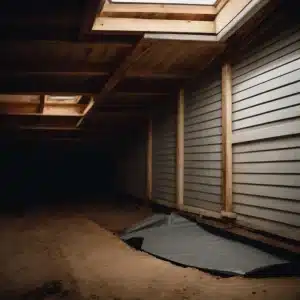
- Vapor Barrier Installation: One of the most fundamental crawl space waterproofing techniques is the installation of a vapor barrier. This involves covering the ground and walls of the crawl space with a durable, moisture-resistant material, such as polyethylene plastic. The vapor barrier acts as a barrier against moisture vapor, preventing it from seeping into the crawl space and causing damage.
- Crawl space Encapsulation: Crawl space encapsulation takes vapor barrier installation a step further by sealing the entire crawl space environment. This typically involves covering the floor, walls, and sometimes even the ceiling of the crawl space with a thick, puncture-resistant vapor barrier material. Additionally, crawl space encapsulation may include sealing vents, installing a dehumidifier, and insulating the crawl space walls for added energy efficiency.
- Interior Drainage Systems: In cases where groundwater seepage is a concern, interior drainage systems can be installed to collect and redirect water away from the crawl space. This may include the installation of a perimeter drainage system, such as a French drain or drain tile, along with a sump pump to pump out collected water.
- Exterior Waterproofing: Exterior waterproofing techniques, such as grading the soil away from the foundation, installing gutters and downspouts, and ensuring proper drainage around the perimeter of the house, can also help prevent water from infiltrating the crawl space.
- Foundation Ventilation: Proper ventilation is essential for controlling moisture levels in the crawl space. Installing vents or a mechanical ventilation system can help promote air circulation and prevent condensation buildup.
Cost of Crawl Space Waterproofing
The cost of crawl space waterproofing can vary depending on factors such as the size of the crawl space, the extent of the moisture problem, and the chosen waterproofing method. On average, homeowners can expect to pay anywhere from $1,500 to $15,000 or more for crawl space waterproofing, with encapsulation typically being the most expensive option.
Benefits of Crawl Space Waterproofing
- Prevents Structural Damage: Crawl space waterproofing helps prevent moisture-related damage to the foundation, floor joists, and other structural components of the home. By keeping the crawl space dry, waterproofing extends the lifespan of these elements and reduces the need for costly repairs.

- Protects Indoor Air Quality: Moisture in the crawl space can lead to mold growth, which can negatively impact indoor air quality and pose health risks to occupants. By preventing moisture buildup, crawl space waterproofing helps maintain a healthy indoor environment.
- Increases Energy Efficiency: A damp crawl space can contribute to higher humidity levels and increased energy usage. By encapsulating the crawl space and controlling moisture levels, waterproofing can help improve energy efficiency and reduce heating and cooling costs.
- Preserve Property Value: A dry, well-maintained crawl space adds value to a home and makes it more attractive to potential buyers. Crawl space waterproofing demonstrates proactive maintenance and can help preserve the property’s value over time.
Crawl space waterproofing is essential for maintaining a dry, healthy, and structurally sound home. By understanding the various waterproofing techniques, costs, and benefits, homeowners can take proactive steps to protect their investment and ensure the long-term integrity of their property. Whether through vapor barrier installation, crawl space encapsulation, or other waterproofing methods, investing in crawl space waterproofing is a wise decision that pays off in the form of improved comfort, health, and property value.
To learn more about Guardian Waterproofing or book a FREE inspection, please call 410-265-8888 or book a virtual inspection today

With more than 40 years of experience in the industry in both residential and commercial waterproofing; serving the Maryland Metropolitan area and Pennsylvania. Guardian has a proven record of expertise and excellent customer service. Our staff are trained and skilled technicians that work to permanently stop foundation water leaks. Guardian installs state of the art systems and specializes in basement waterproofing, basement finishing, crawl space waterproofing, repair and foundation repair.