A sump pump is one of the most important tools for homeowners looking to protect their basements from water damage. Designed to remove accumulated water and prevent flooding, this device plays a critical role in safeguarding your property’s structural integrity and maintaining a healthy indoor environment. However, like any mechanical system, your sump pump requires regular upkeep to ensure optimal performance.
In this detailed guide, we’ll cover everything you need to know about sump pump maintenance. From understanding its operation to troubleshooting common problems, and the value of professional maintenance services, you’ll learn how to keep your sump pump running smoothly year-round.
How Does a Sump Pump Work?
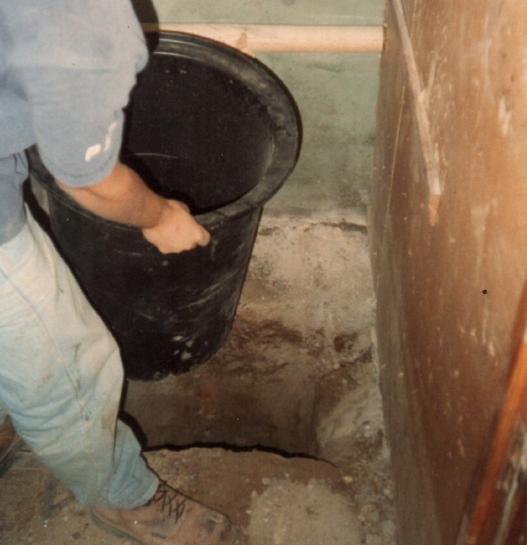
Before diving into maintenance tips, it’s important to understand how a sump pump functions. The pump is typically installed in a pit (called a sump basin) located at the lowest point of your basement. Its job is to collect and pump out water that seeps into the basement, directing it away from your home’s foundation.
There are two primary types of sump pumps:
- Submersible Pumps: Installed within the sump basin, these pumps operate underwater and are known for their efficiency and quiet performance.
- Pedestal Pumps: With the motor mounted above the basin, pedestal pumps are easier to access and maintain but tend to be noisier.
Why Regular Maintenance Is Essential
A neglected sump pump can lead to costly basement flooding and water damage. Regular maintenance ensures your system operates efficiently when you need it most—especially during heavy rains or snowmelt. Key benefits of maintenance include:
- Prolonged Lifespan: Well-maintained pumps last longer, reducing the need for frequent replacements.
- Consistent Performance: Prevents unexpected breakdowns during critical times.
- Improved Efficiency: Ensures the pump removes water effectively, preventing moisture buildup.
- Cost Savings: Avoids expensive repairs and water damage restoration.
Essential Maintenance Tips
Here are practical steps to keep your sump pump in top condition:
1. Perform Routine Inspections
Check your sump pump regularly for signs of wear and tear. Look for rust, corrosion, or visible damage to the pump and its components.
2. Test the Pump
Pour a bucket of water into the sump basin to trigger the float switch. Ensure the pump activates and efficiently discharges water. If it fails to operate, troubleshoot the issue or contact a professional.
3. Clean the Sump Basin
Over time, debris such as dirt and gravel can accumulate in the basin, clogging the pump and reducing efficiency. Remove debris and clean the basin periodically.
4. Check the Power Source
Ensure the pump is connected to a dedicated power outlet. Test the GFCI (Ground Fault Circuit Interrupter) to confirm the power source is functional.
5. Examine the Discharge Line
Inspect the discharge pipe for obstructions, such as ice or debris, which could impede water flow. Use a protective cover or anti-freeze device to prevent freezing during winter.
6. Replace Worn Parts
Certain components, like the float switch and check valve, may wear out over time. Replace these parts as needed to maintain optimal performance.
7. Backup System Check
If your sump pump has a battery backup or secondary pump, test these systems to ensure they’re operational. Backup systems are vital during power outages or pump failures.
Common Sump Pump Problems and Solutions
Even with regular maintenance, sump pumps can encounter issues. Here are common problems and how to address them:
- Pump Doesn’t Start: Check the power supply, float switch, and motor. Ensure the pump is not clogged with debris.
- Pump Runs Continuously: This could indicate a stuck float switch or a pump that’s too small for the water volume. Adjust the switch or consult a professional to determine if an upgrade is needed.
- No Water in the Basin: Inspect the drain tiles and ensure they’re directing water to the sump basin correctly.
- Unusual Noises: Rattling or grinding sounds may signal mechanical issues. Turn off the pump and investigate the source of the noise.
Why You Should Hire Professionals for Sump Pump Maintenance
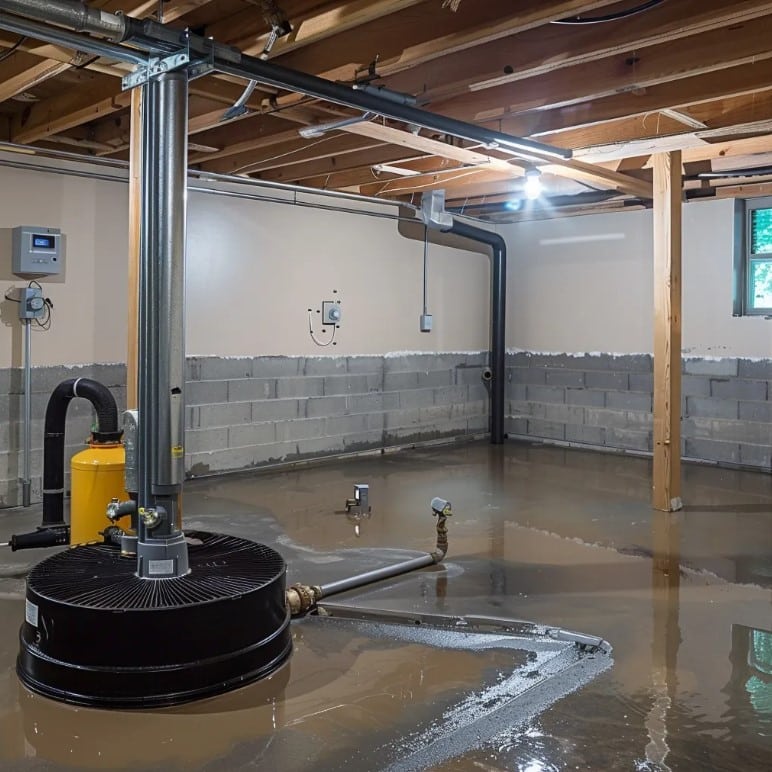
While some maintenance tasks can be performed by homeowners, professional services ensure thorough inspections and repairs. Here’s why hiring experts is beneficial:
1. Expertise and Experience
Professionals have the knowledge to identify potential issues and recommend appropriate solutions. They can detect hidden problems that might go unnoticed during DIY inspections.
2. Advanced Tools and Techniques
Specialized tools allow technicians to clean and service sump pumps more effectively, ensuring optimal performance.
3. Preventative Care
Professionals can implement preventative measures, such as installing a backup system or upgrading your pump, to reduce the risk of future problems.
4. Peace of Mind
With professional maintenance, you can rest assured that your sump pump is ready to handle heavy rains and flooding.
Guardian Basement Waterproofing: Protecting Your Home
At Guardian Basement Waterproofing, we specialize in sump pump installation, repair, and maintenance. Our experienced team provides comprehensive services to ensure your basement remains dry and safe. From routine inspections to emergency repairs, we’re here to keep your sump pump functioning at its best.
Conclusion
Your sump pump is a critical defense against water damage in your basement. Regular maintenance not only extends its lifespan but also ensures your home remains protected during adverse weather conditions. By following these maintenance tips and enlisting professional services from Guardian Basement Waterproofing, you can prevent costly water damage and enjoy peace of mind. Don’t wait for a problem to arise—schedule a sump pump inspection today and take the first step toward a dry, secure basement.

With more than 40 years of experience in the industry in both residential and commercial waterproofing; serving the Maryland Metropolitan area and Pennsylvania. Guardian has a proven record of expertise and excellent customer service. Our staff are trained and skilled technicians that work to permanently stop foundation water leaks. Guardian installs state of the art systems and specializes in basement waterproofing, basement finishing, crawl space waterproofing, repair and foundation repair.