As storm season approaches, it’s the perfect time to make sure your basement waterproofing is ready for heavy rain and potential flooding. Have you checked your foundation for cracks or signs of water intrusion? Are your gutters and drains clear? Homes across Maryland and Pennsylvania are no strangers to sudden downpours and rising groundwater, and proper waterproofing is your best defense.
Let’s walk through the steps to keep your basement dry, healthy, and protected all year long.
Key Takeaways
- Prepare your basement waterproofing before storm season to prevent leaks and costly water damage.
- Inspect your home’s foundation, drainage, and sump pump systems for weak points.
- Invest in professional waterproofing solutions tailored to the Mid-Atlantic’s weather and soil conditions.
- Maintain your waterproofing system after heavy rains to extend its lifespan and effectiveness.
Understanding Basement Waterproofing in Our Region
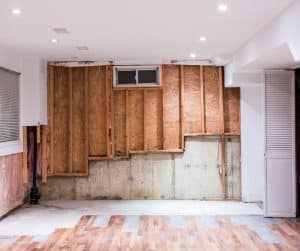
In the Mid-Atlantic, we might not face hurricanes every year, but heavy storms, flash floods, and moisture buildup are common, especially in older homes. Basement waterproofing creates a barrier that prevents water from seeping through walls and floors.
Key elements include:
- Sealants and coatings: These protect against moisture intrusion.
- Proper drainage: French drains, sump pumps, and exterior grading direct water away from your foundation.
- Ventilation and humidity control: Keeping moisture levels low prevents mold and mildew growth.
Without these measures, even a few inches of rain can cause lasting structural and air-quality issues.
Evaluating Your Home’s Vulnerability
Every property is different, and understanding your home’s risk factors helps you prepare. Check for:
- Foundation cracks or wall seepage — potential entry points for water.
- Signs of past water damage — stains, musty odors, or peeling paint.
- Improper grading or standing water around the foundation.
- Aging waterproofing systems — older coatings and drains may not handle modern rainfall levels.
Homes near rivers, lakes, or in low-lying areas of Maryland (like Ellicott City or Annapolis) are especially prone to flash flooding.
Why Drainage Systems Matter
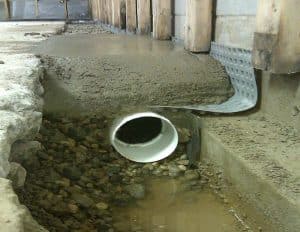
Even the best waterproofing won’t last if water isn’t directed away from your home. Drainage systems, from French drains to sump pumps and downspout extensions, protect your foundation by managing excess groundwater.
Regular maintenance is essential: clear debris, test your sump pump before each major storm, and inspect downspouts to ensure they extend at least 6 feet from your home.
Professional vs. DIY Waterproofing
 DIY methods might seem appealing, but basement waterproofing is a complex process. A professional team, like Guardian Dry, can:
- Identify hidden water entry points.
- Use specialized materials suited to local soil and humidity.
- Offer warranties and long-term protection.
While professional waterproofing requires an upfront investment, it often saves homeowners thousands in future repair costs.
Post-Storm Maintenance Tips
After a major storm or wet season, don’t overlook post-storm inspections:
- Check for leaks, moisture, or mold growth.
- Clean and test your sump pump.
- Ensure gutters and drainage systems are free from blockages.
- Schedule a professional inspection if you notice persistent dampness or musty odors.
These small steps can prevent bigger problems later and keep your basement dry year-round.
Final Thoughts
You don’t have to face Maryland’s storm season unprepared. By inspecting your foundation, upgrading your drainage, and investing in expert waterproofing, you’ll protect your home from the region’s unpredictable weather.
Guardian Dry has years of experience waterproofing basements and crawl spaces across Maryland and Pennsylvania, helping homeowners stay dry, safe, and worry-free no matter what the weather brings.

With more than 40 years of experience in the industry in both residential and commercial waterproofing; serving the Maryland Metropolitan area and Pennsylvania. Guardian has a proven record of expertise and excellent customer service. Our staff are trained and skilled technicians that work to permanently stop foundation water leaks. Guardian installs state of the art systems and specializes in basement waterproofing, basement finishing, crawl space waterproofing, repair and foundation repair.