Foundation cracks are one of the most common issues homeowners face, yet they are often misunderstood or overlooked. These cracks can compromise your home’s structural integrity, lead to costly repairs, and even affect indoor air quality. However, with proper knowledge and timely intervention, foundation cracks can be addressed effectively, safeguarding your home and your investment.
In this comprehensive guide, we will explore the types and causes of foundation cracks, how to inspect them, the risks of neglect, and the importance of professional repairs.
Types of Foundation Cracks and What They Mean
Understanding the type of crack in your foundation is essential for determining its severity and the necessary repair methods. Here are the most common types:
1. Vertical Cracks
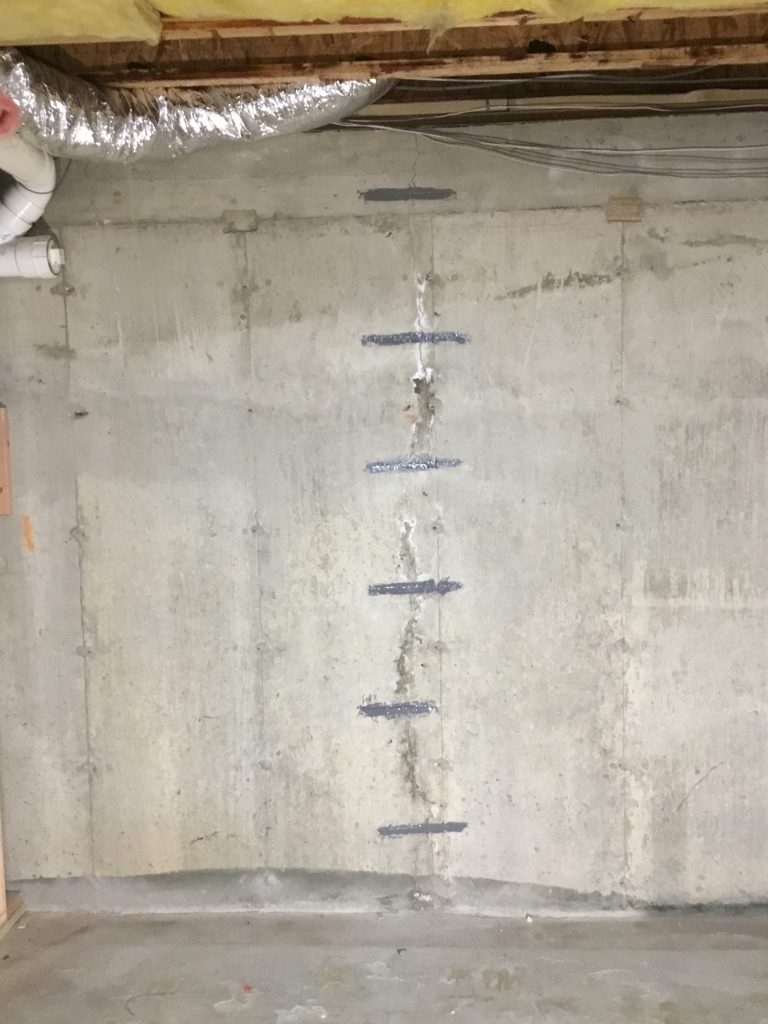
- Appearance: Straight or slightly diagonal cracks running vertically.
- Cause: Usually caused by natural settling of the foundation.
- Severity: Generally less severe but should be monitored and sealed to prevent water infiltration.
2. Horizontal Cracks
- Appearance: Cracks that run horizontally along the foundation wall.
- Cause: Hydrostatic pressure from excessive soil moisture pushing against the wall.
- Severity: A serious structural issue requiring immediate professional attention.
3. Stair-Step Cracks
- Appearance: Cracks following the mortar lines in a stair-step pattern.
- Cause: Often due to differential settling, where one part of the foundation sinks more than another.
- Severity: Can indicate structural instability and should be evaluated by a professional.
4. Hairline Cracks
- Appearance: Thin, superficial cracks often found in newer homes.
- Cause: Shrinkage of concrete as it cures.
- Severity: Typically cosmetic but should still be monitored for changes.
5. Diagonal Cracks
- Appearance: Cracks at an angle, usually wider at one end.
- Cause: Uneven settling or shifting soil.
- Severity: May indicate structural stress and require professional assessment.
Causes of Foundation Cracks
Foundation cracks can result from various factors, often related to environmental conditions and construction practices. Common causes include:
1. Soil Movement
- Expansive soils that swell when wet and shrink when dry exert pressure on the foundation, causing cracks.
2. Poor Drainage
- Water pooling around the foundation increases hydrostatic pressure, leading to cracking.
3. Tree Roots
- Roots from nearby trees can push against the foundation or remove supporting soil as they grow.
4. Improper Construction
- Using inadequate materials or failing to prepare the foundation site properly can result in weak or unstable foundations.
5. Natural Disasters
- Earthquakes, floods, and extreme weather conditions can stress the foundation, leading to cracks.
Inspecting Your Foundation for Cracks
Regular inspections can help identify foundation cracks early, preventing more significant damage. Follow these steps:
1. Conduct Visual Inspections
- Examine both the interior and exterior of your foundation for visible cracks.
- Check basement walls, floors, and corners for signs of movement or separation.
2. Measure Crack Width and Length
- Use a ruler or crack monitor to track changes over time. Cracks wider than 1/8 inch may indicate serious issues.
3. Note Additional Signs of Foundation Problems
- Look for uneven floors, sticking doors or windows, and gaps between walls and ceilings.
4. Document Findings
- Take photographs and keep a record of any cracks, including their dimensions and locations.
The Risks of Ignoring Foundation Cracks
Neglecting foundation cracks can lead to severe consequences for your home and health:
1. Structural Damage
- Small cracks can expand over time, compromising the foundation’s ability to support your home.
2. Water Infiltration
- Cracks allow water to seep into the basement, leading to flooding, mold growth, and damage to personal belongings.
3. Decreased Property Value
- Visible foundation issues can deter potential buyers and lower your home’s market value.
4. Health Hazards
- Moisture from foundation cracks promotes mold and mildew, which can negatively impact indoor air quality.
DIY vs. Professional Repair
While minor cracks can sometimes be repaired by homeowners, larger or more severe issues require professional intervention. Here’s how to decide:
DIY Repairs
- Suitable For: Hairline or small vertical cracks.
- Methods: Use epoxy or polyurethane injection kits to seal cracks and prevent water infiltration.
- Limitations: DIY solutions may not address underlying structural problems.
Professional Repairs
- Suitable For: Horizontal, stair-step, and wide cracks.
- Methods:
- Epoxy Injections: For sealing cracks and restoring structural integrity.
- Carbon Fiber Reinforcement: To stabilize walls and prevent further movement.
- Helical Piers: For lifting and stabilizing uneven foundations.
- Advantages: Professionals can identify and address root causes, ensuring a long-term solution.
Preventing Foundation Cracks
Taking preventive measures can minimize the risk of foundation cracks and protect your home:
1. Improve Drainage
- Ensure gutters and downspouts direct water away from the foundation.
- Install French drains or other systems to manage excess moisture.
2. Maintain Consistent Soil Moisture
- Use soaker hoses during dry periods to prevent soil shrinkage.
3. Monitor Landscaping
- Plant trees and shrubs at a safe distance from your home to avoid root intrusion.
4. Schedule Regular Inspections
- Professional evaluations can identify potential issues before they become serious problems.
Why Choose Guardian Basement Waterproofing?
At Guardian Basement Waterproofing, we specialize in diagnosing and repairing foundation cracks with precision and expertise. Our services include:
- Comprehensive foundation inspections.
- Advanced repair techniques like epoxy injections and carbon fiber reinforcements.
- Waterproofing solutions to prevent future issues.
- Expert advice on maintaining a stable foundation.
With a commitment to quality and customer satisfaction, we provide long-lasting solutions that protect your home and peace of mind.
Conclusion
Foundation cracks are not just cosmetic concerns; they are signals that your home may be at risk. By identifying and addressing these issues promptly, you can prevent costly repairs, maintain your property value, and ensure a safe living environment. Whether you need a minor crack sealed or a comprehensive foundation repair, trust the professionals at Guardian Basement Waterproofing to deliver reliable and effective solutions. Contact us today for an inspection and take the first step toward a secure and stable home.

With more than 40 years of experience in the industry in both residential and commercial waterproofing; serving the Maryland Metropolitan area and Pennsylvania. Guardian has a proven record of expertise and excellent customer service. Our staff are trained and skilled technicians that work to permanently stop foundation water leaks. Guardian installs state of the art systems and specializes in basement waterproofing, basement finishing, crawl space waterproofing, repair and foundation repair.