Basement waterproofing is critical to homeownership, especially for regions prone to heavy rainfall or with high water tables. A dry basement ensures structural integrity, enhances living conditions, and prevents costly water damage. In this comprehensive guide, we delve into the various techniques, costs, and considerations associated with basement waterproofing.
Understanding Basement Waterproofing
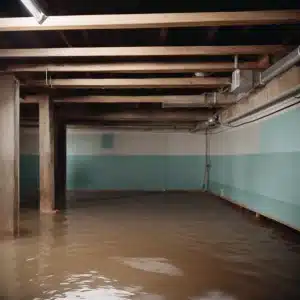
Basement waterproofing refers to the techniques employed to prevent water from penetrating the basement of a building. It’s crucial to understand that waterproofing isn’t a one-size-fits-all solution; rather, it involves a combination of techniques tailored to address specific issues.
Common Waterproofing Techniques
- Interior Waterproofing: This method involves managing water that has already entered the basement. It typically includes installing drainage systems such as French drains or sump pumps to channel water away from the foundation walls.
- Exterior Waterproofing: Unlike interior waterproofing, this approach aims to prevent water from entering the basement in the first place. Techniques include applying waterproof coatings, installing drainage systems like exterior French drains, and ensuring proper grading to direct water away from the foundation.
- Crack Injection: Cracks in the foundation walls or floors are common entry points for water. Crack injection involves filling these cracks with specialized materials to prevent water seepage.
- External Excavation: In severe cases, external excavation may be necessary to address structural issues or install comprehensive waterproofing systems. This method involves excavating the soil around the foundation, applying waterproof membranes, and installing drainage systems before backfilling.
Factors Affecting Waterproofing Costs
The cost of basement waterproofing varies depending on several factors:
- Extent of Waterproofing Needed: The size of the basement, severity of water issues, and the chosen waterproofing method all influence costs.
- Foundation Material: Waterproofing techniques differ based on the type of foundation (concrete, block, stone, etc.), affecting both materials and labor costs.
- Accessibility: Ease of access to the basement and the surrounding area can impact the complexity and thus the cost of the waterproofing project.
- Professional vs. DIY: While some minor waterproofing tasks can be DIY projects, complex issues often require professional expertise, which adds to the overall cost.
Choosing a Waterproofing Contractor
Selecting the right contractor is crucial for a successful waterproofing project. Consider the following when choosing a contractor:
- Experience and Reputation: Look for contractors with extensive experience in basement waterproofing and positive customer reviews.
- Licensing and Insurance: Ensure the contractor is licensed, bonded, and insured to protect yourself from liability in case of accidents or damages.
- Written Estimates: Obtain detailed written estimates from multiple contractors, including the scope of work, materials used, and project timeline.
- Warranty: Inquire about warranties on both materials and workmanship to guarantee the longevity of the waterproofing solution.
Basement waterproofing is a crucial investment for homeowners seeking to protect their property from water damage and maintain a safe, dry living environment. By understanding the various techniques, costs, and considerations involved, homeowners can make informed decisions and ensure the long-term integrity of their basements.

With more than 40 years of experience in the industry in both residential and commercial waterproofing; serving the Maryland Metropolitan area and Pennsylvania. Guardian has a proven record of expertise and excellent customer service. Our staff are trained and skilled technicians that work to permanently stop foundation water leaks. Guardian installs state of the art systems and specializes in basement waterproofing, basement finishing, crawl space waterproofing, repair and foundation repair.