Most homeowners rarely think about their crawl space. It’s dark, damp, and usually out of sight. Yet this overlooked area plays a critical role in your home’s structural health and indoor environment. When a crawl space is left exposed to moisture, it can become a breeding ground for mold, pests, and wood rot, while also weakening the foundation that supports your entire home.
The good news is that crawl space encapsulation and drainage systems offer powerful solutions. Together, they keep moisture under control, protect your home from damage, and create a healthier living environment. Let’s explore why these services are so essential and how they can transform your home.
Why Crawl Spaces Are Vulnerable
 Crawl spaces are particularly prone to moisture problems because of their unique construction. Unlike basements, which are often finished and sealed, crawl spaces are typically left open to the elements. Here’s why they’re so vulnerable:
- Ground Moisture
Soil naturally holds water, and without a barrier in place, that moisture can evaporate directly into your crawl space. Over time, humidity levels rise, creating the perfect environment for mold growth. - Poor Drainage
If the soil around your foundation doesn’t drain properly, water can collect around or under the crawl space. This often leads to standing water or chronic dampness. - Inadequate Ventilation
Traditional building practices once encouraged venting crawl spaces to the outside air. Unfortunately, this can actually worsen moisture problems by allowing humid outdoor air inside. - Climate and Soil Type
Homes built on clay-rich soil or in regions with high rainfall are especially at risk. Clay expands when wet, pressing against the foundation, while sandy soil can allow water to flow freely toward your crawl space.
The Risks of a Wet Crawl Space
Moisture in your crawl space is not just a nuisance; it’s a serious problem with far-reaching consequences:
- Structural Damage
Wooden beams and floor joists absorb moisture, leading to rot and weakening over time. This can cause sagging floors, cracks in walls, or even compromised stability of your home’s foundation. - Mold and Indoor Air Quality
Damp conditions fuel mold and mildew growth. Since nearly half of the air in your home originates from the crawl space, mold spores and musty odors can travel upward, reducing indoor air quality and causing respiratory issues. - Pests and Infestations
Moist crawl spaces attract insects like termites, ants, and roaches, as well as rodents. These pests can chew through wood, insulation, and wiring, creating both structural and safety hazards. - Increased Energy Costs
A damp crawl space allows conditioned air to escape and makes HVAC systems work harder. As a result, energy bills climb unnecessarily. - Lower Property Value
Home inspectors and potential buyers take moisture issues seriously. A wet crawl space can lower resale value or delay a sale entirely.
Crawl Space Drainage Systems
The first step in solving crawl space moisture issues is controlling how water enters and exits the area. Professional drainage systems are designed to redirect water away from your foundation and keep the crawl space dry.
- French Drains (Interior or Exterior)
- Trenches filled with gravel and perforated pipe collect groundwater and carry it away from your foundation.
- Best for managing both surface water and groundwater intrusion.
- Footing Drains
- Installed along the perimeter of the foundation, footing drains intercept water before it enters the crawl space.
- Especially effective in homes built on slopes or with heavy clay soil.
- Sump Pump Systems
- A sump pump collects water in a basin and pumps it out of the crawl space.
- Essential for homes in flood-prone areas or those with high water tables.
- Interior vs. Exterior Drainage
- Interior systems manage water after it enters, often paired with sump pumps.
- Exterior systems stop water before it ever reaches the foundation, offering maximum protection but requiring more excavation.
Crawl Space Encapsulation Explained
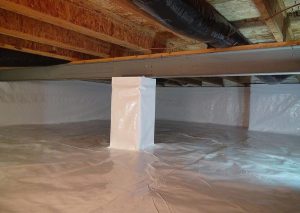
Drainage systems handle water intrusion, but encapsulation addresses the underlying issue of humidity. Encapsulation involves sealing your crawl space completely to prevent moisture from entering.
Here’s how it works:
- Vapor Barrier Installation
- Heavy-duty polyethylene sheets are applied to floors, walls, and sometimes ceilings.
- Seams are carefully sealed to create an airtight barrier.
- Sealing Vents and Openings
- Exterior vents and gaps are sealed to prevent humid outdoor air from entering the crawl space.
- Insulation and Dehumidification
- Rigid foam insulation or spray foam may be added to walls.
- A professional-grade dehumidifier is often installed to keep humidity at safe levels year-round.
- Comparison to Basic Insulation
- Unlike traditional fiberglass insulation, encapsulation creates a continuous barrier that blocks both moisture and pollutants.
- It’s a long-term solution rather than a short-term patch.
Benefits of Encapsulation and Drainage
When combined, crawl space encapsulation and drainage systems provide comprehensive protection with benefits that extend throughout your entire home:
- Moisture Control
Standing water and high humidity are eliminated, preventing mold, mildew, and wood rot. - Improved Air Quality
Cleaner crawl spaces mean cleaner air in your living areas, reducing allergies and respiratory issues. - Energy Efficiency
Encapsulation helps maintain stable indoor temperatures, lowering heating and cooling costs. - Structural Integrity
Protected crawl spaces reduce stress on joists, beams, and foundation walls, extending the life of your home. - Pest Prevention
Sealed crawl spaces block entry points for pests, minimizing infestations and damage. - Higher Resale Value
Encapsulation and drainage systems are strong selling points for potential buyers who want peace of mind about the home’s condition.
When to Call the Experts
 Some homeowners may be tempted to install vapor barriers or DIY drainage systems, but professional expertise is essential for long-term results. Here are signs that you should call an expert right away:
- Persistent musty odors in your home.
- Sagging or uneven floors above the crawl space.
- Visible mold, mildew, or wood rot.
- Standing water or damp soil in the crawl space.
- Higher-than-normal humidity levels indoors.
- Rising energy bills without clear explanation.
While DIY fixes may seem cost-effective, they rarely address the full scope of the problem. Professional contractors have the tools, materials, and experience to diagnose underlying issues and install systems that work together effectively.
Conclusion
Your crawl space may be hidden, but it has a big impact on the comfort, safety, and value of your home. Left untreated, crawl space moisture can cause costly damage and health risks. Fortunately, with a combination of drainage systems and encapsulation, you can eliminate these problems for good.
Guardian Basement Waterproofing specializes in designing and installing crawl space drainage and encapsulation systems tailored to each home. From French drains to vapor barriers and dehumidifiers, our solutions protect your foundation, improve indoor air quality, and enhance long-term property value.
Don’t wait until moisture damages your home from the ground up. Take proactive steps today to safeguard your crawl space and ensure a healthier, stronger home.

With more than 40 years of experience in the industry in both residential and commercial waterproofing; serving the Maryland Metropolitan area and Pennsylvania. Guardian has a proven record of expertise and excellent customer service. Our staff are trained and skilled technicians that work to permanently stop foundation water leaks. Guardian installs state of the art systems and specializes in basement waterproofing, basement finishing, crawl space waterproofing, repair and foundation repair.