Your home’s foundation is more than just its physical base—it’s what holds your property together and keeps it safe. When cracks appear in the basement walls, it’s a sign that something might be wrong with the foundation. In this guide, we’ll cover the causes of basement wall cracks, the risks they pose, and the most effective ways to identify, prevent, and repair them.
Understanding Basement Wall Cracks
Types of Cracks:
Basement wall cracks come in different shapes, each pointing to different causes and potential concerns:
- Vertical cracks are often caused by natural settling of the foundation.
- Horizontal cracks may indicate serious structural problems.
- Diagonal cracks often result from lateral pressure, like expanding soil.
- Stair-step cracks can signal foundation movement.
Common Causes of Basement Wall Cracks
Understanding why cracks appear is key to finding the right solution. Some common causes include:
 Soil Settlement: When the soil around your home settles, especially in areas with clay, it can lead to foundation shifts and cracking.
- Hydrostatic Pressure: After heavy rains or snowmelt, water in the soil builds up pressure against the foundation walls, which can cause cracks.
- Freeze-Thaw Cycles: In colder climates, water inside the concrete can freeze and expand, causing cracks over time.
- Poor Construction: Low-quality materials or subpar construction methods can make foundations more vulnerable to cracking.
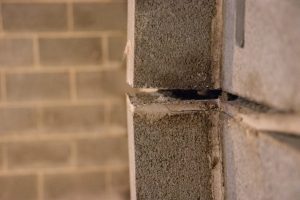 Soil Settlement: When the soil around your home settles, especially in areas with clay, it can lead to foundation shifts and cracking.
The Risks of Ignoring Basement Wall Cracks
Water Damage:
Even small cracks can let in moisture, which can lead to a damp basement, mold growth, and damaged belongings.
Structural Weakness:
Unattended cracks can weaken the entire foundation, causing further settlement, wall bowing, or even collapse.
Mold and Mildew:
Moisture from cracks creates the perfect environment for mold, which can damage your home and harm your family’s health.
Decreased Home Value:
Visible foundation issues, like cracks, can lower your home’s value, making it harder to sell and costing you financially.
Plumbing and Electrical Problems:
As the foundation shifts due to cracks, it can affect internal systems like plumbing and wiring, leading to expensive repairs.
How to Identify Basement Wall Cracks
Visual Inspection:
Regularly inspect your basement walls for cracks, noting their size, location, and direction. Pay attention to corners and other vulnerable areas.
Monitor Changes:
If cracks grow or new ones appear, it could indicate worsening structural issues.
Signs of Water Damage:
Look for damp spots, discoloration, or mold growth—these are signs that water may be seeping through the cracks.
Exterior Inspection:
Check the foundation from the outside as well, looking for gaps, separations, or bulging walls.
Professional Evaluation:
For serious concerns, hire a professional foundation expert to assess the damage and recommend solutions.
Preventing and Repairing Basement Wall Cracks
When it comes to basement wall cracks, prevention is just as important as repair. Taking proactive steps to protect your foundation can save you significant time and money in the long run. Additionally, understanding the best methods for repairing existing cracks will ensure the structural integrity of your home remains intact.
Control Moisture Levels Around the Foundation
One of the leading causes of basement wall cracks is fluctuating moisture levels in the soil surrounding the foundation. When soil becomes too dry, it contracts, pulling away from the foundation and potentially causing it to settle unevenly. Conversely, when the soil becomes oversaturated, it expands, creating pressure on the foundation walls. Here’s how to manage this:
- Landscaping: Ensure that your landscaping is designed to promote healthy soil moisture. Avoid planting trees or shrubs with deep roots too close to the foundation, as they can draw water from the soil, creating dry patches. On the other hand, overwatering plants near the foundation can cause the soil to become waterlogged.
- Irrigation Systems: If you live in a dry climate or during extended periods of drought, consider installing a drip irrigation system that provides consistent moisture to the soil without oversaturating it. This helps prevent both excessive drying and expansion of the soil.
Proper Grading and Drainage Solutions
Water management around the foundation is crucial in preventing cracks caused by hydrostatic pressure. Ensuring that the land around your home is graded correctly can significantly reduce water buildup near the foundation.
- Slope Away from the Foundation: The ground around your home should slope away at least 6 inches over 10 feet. This helps to direct rainwater and melting snow away from the foundation and prevent pooling, which can cause pressure on the walls.
- Swales and Trenches: In areas where grading alone may not be sufficient, consider installing shallow swales or trenches that guide excess water away from the foundation. These natural depressions act as drainage channels, preventing water accumulation near the home.
- Retaining Walls with Drains: For homes on a hill or slope, retaining walls equipped with proper drainage can help manage water flow and prevent it from running downhill and accumulating around the foundation.
Install Effective Drainage Systems
To further protect your basement from water-related issues, installing drainage systems is a must. These systems help divert water away from the foundation and reduce the risk of cracks caused by excess moisture and pressure.
- French Drains: A French drain is a highly effective solution for rerouting water away from the foundation. This underground drainage system uses perforated pipes to collect and redirect groundwater. By diverting water before it reaches the foundation, you can prevent hydrostatic pressure from building up against basement walls.
- Weeping Tiles: Also known as drain tiles, these perforated pipes are typically installed along the perimeter of the foundation. They collect water and channel it to a sump pump, reducing water accumulation near the foundation.
- Sump Pumps: For interior water management, a sump pump can play a vital role in keeping your basement dry. Sump pumps collect water that enters the basement and pump it away from the home, preventing flooding and reducing pressure on the foundation walls.
Waterproofing for Long-Term Protection
Waterproofing your basement is one of the best ways to prevent cracks from forming or worsening. There are several methods of waterproofing that can safeguard your foundation against water infiltration and subsequent cracking:
- Exterior Waterproofing: This involves applying a waterproof coating or membrane to the exterior surface of the foundation walls. By creating a moisture barrier, exterior waterproofing prevents water from penetrating the walls and reduces the likelihood of cracks caused by hydrostatic pressure.
- Interior Waterproofing: Interior waterproofing is an additional layer of defense. Products like waterproof sealants can be applied to the interior walls to prevent water from seeping through small cracks or pores in the concrete. While this doesn’t stop cracks from forming, it can reduce water-related damage.
- Vapor Barriers: Installing a vapor barrier along the walls and floors of your basement can also help block moisture from entering the space, which helps to prevent mold and mildew growth associated with foundation cracks.
Gutter and Downspout Maintenance
Keeping your gutters and downspouts in good working condition is critical in managing rainwater and protecting your foundation. Clogged or broken gutters allow water to spill over the sides, leading to erosion of the soil around the foundation and increasing the risk of cracks.
- Regular Cleaning: Clean your gutters at least twice a year to ensure they are free of debris like leaves, twigs, and dirt. This ensures that rainwater is properly channeled away from the home.
- Extending Downspouts: Ensure that downspouts extend at least 5 to 10 feet away from the foundation. This prevents water from pooling near the foundation walls, reducing the risk of moisture buildup and cracking.
Use of High-Quality Materials in Construction
If you’re building a new home or planning significant renovations, investing in high-quality materials for the foundation can help prevent cracks from occurring in the first place. Proper construction practices ensure that the foundation is strong and capable of withstanding environmental stress.
- Reinforced Concrete: Using reinforced concrete with steel bars (rebar) adds extra strength to your foundation. This reinforcement prevents cracks by distributing pressure more evenly across the foundation.
- Proper Curing: Concrete foundations need to be cured properly after they are poured. Rushing this process can lead to weak spots, which are more susceptible to cracking under pressure.
Crack Injection for Small Repairs
For minor cracks, especially those that aren’t structurally threatening, crack injection is a practical and cost-effective solution. This method seals the cracks, preventing water from seeping in and stopping the crack from expanding.
- Epoxy Injection: Epoxy is a strong adhesive that not only seals cracks but also reinforces the structural integrity of the wall. It’s best used for dry cracks that need a permanent fix.
- Polyurethane Injection: For cracks that experience water infiltration, polyurethane foam is ideal. It expands inside the crack, sealing it from water while allowing for slight movement, making it effective in dynamic conditions.
Carbon Fiber Reinforcement for Bowing Walls
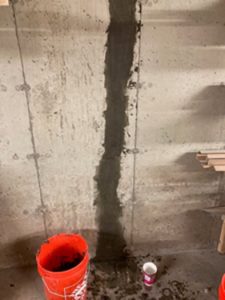 For walls that have started to bow due to pressure, carbon fiber reinforcement provides a lightweight but extremely strong solution. Carbon fiber strips or plates are bonded to the basement walls, preventing further movement and stabilizing the structure.
- Fast Installation: Carbon fiber reinforcement is relatively quick to install compared to more invasive repair methods. It is ideal for walls that need additional support without extensive structural intervention.
- Low Profile: The slim design of carbon fiber strips means they don’t take up much space and can often be painted over, blending in with the rest of the basement.
Underpinning for Severe Settlement
If your foundation has experienced significant settlement, underpinning may be required to strengthen the structure and prevent further damage. This method involves extending the foundation deeper into more stable soil.
- Deepening the Foundation: Underpinning works by reinforcing the foundation with additional support, typically in the form of piers or pilings, which reach deeper, stable layers of soil.
- Permanent Fix: Underpinning provides a long-term solution for homes with serious foundation settlement, ensuring that future cracks are minimized.
Wall Anchors for Bowing or Leaning Walls
For basement walls that are bowing or leaning inward, wall anchors can offer a durable repair option. Wall anchors stabilize the walls by attaching steel plates to the interior side of the walls and connecting them to anchors buried deep in the soil outside.
- Stabilization and Straightening: Over time, wall anchors can not only stop walls from bowing further but also slowly return them to their original position.
- Minimal Invasion: Wall anchor installation doesn’t require major excavation, making it a less disruptive repair method than full wall rebuilding.
Helical Piers for Foundation Lifting
Helical piers are screw-like devices that are drilled into stable soil to support and lift a sinking foundation. They provide an effective solution for homes suffering from foundation settlement or subsidence.
- Lifting and Stabilizing: Once installed, helical piers can be used to gently lift the foundation back to its original position and provide long-term support.
- Versatile Solution: Helical piers are a great option for homes built on problematic soils or those experiencing severe foundation movement.
Complete Wall Replacement
In the most extreme cases, where cracks have severely compromised the integrity of the foundation, rebuilding the damaged walls may be necessary. While this is a more invasive process, it ensures the long-term safety and stability of your home.
Improved Foundation Strength: By replacing compromised sections of the wall, you can restore the strength and safety of your home’s foundation.
Reconstructing the Foundation: Complete wall replacement involves demolishing the damaged section of the basement wall and rebuilding it from scratch. This solution is reserved for situations where repair methods are no longer viable.
Regular Maintenance and Inspections
Routine maintenance is crucial for identifying potential problems before they worsen. Regular inspections of your basement and foundation can save you from costly repairs down the road.
Conclusion
Basement wall cracks are more than just a cosmetic issue—they’re an early warning sign of possible structural damage. Recognizing the causes, understanding the risks, and taking preventive steps are essential to maintaining your home’s foundation. With regular inspections, proper care, and timely repairs, you can prevent cracks from threatening your home’s stability. Guardian Basement Waterproofing is here to provide expert solutions, helping you keep your home safe, secure, and dry for years to come.

With more than 40 years of experience in the industry in both residential and commercial waterproofing; serving the Maryland Metropolitan area and Pennsylvania. Guardian has a proven record of expertise and excellent customer service. Our staff are trained and skilled technicians that work to permanently stop foundation water leaks. Guardian installs state of the art systems and specializes in basement waterproofing, basement finishing, crawl space waterproofing, repair and foundation repair.