You’ve probably faced some degree of moisture in your basement at some point. But, do you know the difference between persistent basement dampness and a full-blown flood? While both pose unique challenges, they’re not the same beast and demand separate solutions. Let’s start to decipher the nuances in the causes, the signs, and, most importantly, the solutions for each issue. Trust me, understanding these differences can save you time, money, and a whole lot of stress down the line. So, are you ready to tackle your basement woes head-on?
Key Takeaways
- Wetness is chronic dampness in the basement, while flooding is an acute water invasion causing more significant damage.
- Causes of wetness include poor drainage and condensation, while flooding can result from pipe failures or heavy rainfall.
- Indicators of wetness include musty odors and damp patches, while flooding signs include water stains and dark, damp spots.
- Solutions for wetness involve improving exterior drainage and sealing foundation cracks, while flooding solutions include using sump pumps and dehumidifiers.
- Prevention strategies include regular inspections, gutter maintenance, and the use of dehumidifiers to control moisture levels.
Understanding Basement Wetness
Dampness in your basement isn’t just an inconvenience; it’s a persistent problem that needs your attention. The issue with basement wetness goes beyond a musty smell or the growth of mildew. It can damage your property, compromise your home’s structural integrity, and impact your health negatively.
You’ve got to understand that basement wetness isn’t the same as flooding. While both are problematic, they’re distinct issues, each requiring its own approach for resolution. Wetness is a chronic condition, characterized by consistent dampness, a musty odor, and the presence of mold or mildew. On the other hand, flooding is an acute condition, typically occurring as a result of a specific event like a heavy rainstorm or a burst pipe.
Tackling basement wetness requires strategic, long-term solutions. It’s not about quick fixes or temporary patches. You need to identify the root cause, which isn’t always obvious.
Common Causes of Wetness
Wondering why your basement is perpetually damp? You’re not alone. The causes of basement wetness are varied, but let’s explore the most common ones.
Firstly, your problem might stem from poor exterior drainage. If the ground around your home doesn’t slope away from your basement walls, it’s like an open invitation for water to settle in. This can cause persistent wetness in your basement.
Secondly, faulty or inadequate gutters and downspouts could be to blame. If they’re not directing water far enough away from your home, moisture can accumulate near your foundation. Over time, this can seep into your basement and create that damp feeling you’re all too familiar with.
Lastly, let’s not forget about condensation. If your basement is poorly ventilated, condensation can form on your walls, floors, and windows. This moisture doesn’t just evaporate; it can make your basement feel perpetually damp.
Spotting Signs of Basement Wetness
You may be dealing with persistent basement wetness, but how can you be sure? Spotting the signs isn’t always straightforward. It’s more than just the presence of water; other telltale signs can help you confirm.
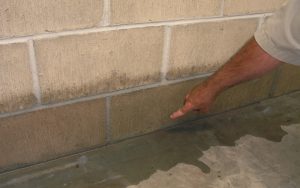
First off, if there’s a musty odor, that’s a prime indicator. It’s the smell of dampness, of moisture that’s been sitting too long. Furthermore, look at your walls. Do you see any discoloration, damp spots, or peeling paint? This could be due to water seeping through. Finally, your floor isn’t exempt. Watch out for damp patches or efflorescence, a white, powdery residue left when water evaporates from the surface.
Here’s a table summarizing these signs:
| Sign | Potential Cause | Example |
|---|---|---|
| Musty Odor | Prolonged dampness | Smell similar to wet clothes left in a washer |
| Wall Discoloration or Peeling Paint | Water seeping through walls | Darkened patches, blistering or peeling paint |
| Damp patches or Efflorescence on Floor | Water evaporation from floor | White, powdery residue |
Practical Solutions for Wetness
Once you’ve spotted the signs of basement wetness, it’s time to take action. Start by clearing the gutters and downspouts around your home. Clogged gutters can cause water to overflow and seep into your basement, so keep them clean and well-maintained.
Next, inspect your foundation for cracks. Even the smallest crevice can allow moisture to penetrate your basement. If you find any, use a waterproofing compound to seal them up.
Improving your home’s landscaping can also help prevent basement wetness. Verify that the soil around your foundation slopes away from your home. This helps direct water away from your basement, instead of towards it.
Installing a dehumidifier in your basement can aid in reducing moisture levels. This device works by pulling in humid air, removing the moisture, and then blowing out dry air.
Understanding Basement Flooding
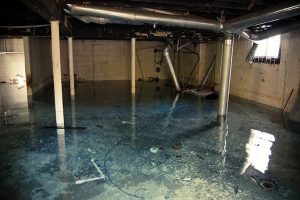
In the face of heavy rain or a burst pipe, your basement can easily turn into an indoor swimming pool. It’s a formidable scenario that can cause significant damage to your property and belongings.
But what exactly is basement flooding? Let’s explore it.
Basement flooding is more than just a little water seeping in; it’s when water fills your basement, usually at least several inches deep. It’s a serious situation that can be dangerous. Water can damage walls, flooring, and any items stored in the basement.
It can also lead to mold growth, which poses health risks.
Knowing the difference between basement wetness and flooding is essential. While both are problematic, flooding is far more severe. With wetness, you’re dealing with dampness or small leaks. Flooding, on the other hand, is a full-scale invasion of water.
In the event of a flood, it’s important not to panic. Your first step should be to safely exit the area, then reach out to professional help.
Understanding the problem is the first step in finding a solution. Now, let’s look at the common causes of basement flooding in the next section.
Common Causes of Flooding
Battling basement flooding starts with understanding its common causes. It’s not always the rain’s fault. More often than you’d think, flooding comes from within your home. Overflows from sinks, showers, and toilets can quickly flood your basement, especially if your plumbing system isn’t in the best shape.
Cracked or broken pipes can also lead to flooding. It’s not just water that can seep through; sewage can also find its way into your basement, turning a simple flooding issue into a health hazard. It’s essential to regularly inspect your pipes and plumbing system to prevent this.
The ground around your home plays a big part too. If your property slopes towards your house, water will naturally pool around your foundation, potentially causing a flood. Proper landscaping and grading can help prevent this.
Lastly, don’t forget about your gutters and downspouts. If they’re not working properly, water can pour directly onto your foundation, leading to flooding. Make sure they’re clear of debris and directing water away from your house.
Spotting Signs of Basement Flooding
Detecting early signs of basement flooding can save you a lot of trouble and money in the long run.
It’s essential to know what to look for, so you can act fast before the problem escalates. Here are four signs you shouldn’t ignore:
- Water Stains: If you notice dark or damp spots on your basement walls or floors, it’s a clear indication of water seepage.
It may not be a full-blown flood yet, but it’s a warning sign you can’t afford to overlook.
- Mold Growth: Mold thrives in wet conditions.
If you spot mold on your basement walls, floors, or stored items, it’s likely that your basement is experiencing more than just humidity issues.
- Unpleasant Odors: A musty or damp smell is one of the earliest signs of water problems.
If your basement starts smelling different, don’t ignore it.
- Cracks in the Walls or Floors: These can be gateways for water to enter your basement.
Even small ones can lead to significant water damage over time.
Practical Solutions for Flooding
When your basement shows signs of flooding, swift action is essential. Don’t wait until the water level rises; you’ve got to tackle the problem head-on.
Start by switching off the power supply to the basement, but only if it’s safe to do so. You don’t want to risk electrical accidents.
Next, gear up to remove the water. You can use a wet vacuum or a sump pump if you have one. If the flooding is severe, you might need to call in professionals who’ve commercial-grade equipment.
After removing the water, you’ll want to dry out the area completely. Dehumidifiers and fans can be your best friends here.
Once dry, it’s time for damage control. Salvage what you can and toss out what’s beyond repair. Check for mold, as it can grow rapidly in damp conditions.
Lastly, it’s vital to identify the source of the flooding. Is it a leaky pipe, faulty drainage, or an external issue like heavy rainfall?
Once you’ve identified the cause, you can work on a solution to prevent future floods. We’ll tackle prevention strategies in our next section.
Prevention Strategies for Both
A handful of prevention strategies can keep your basement dry and flood-free.
It’s not just about reacting to wetness or floods when they happen – it’s about taking steps to keep them from happening in the first place.
One: Install a sump pump. This handy device collects water that seeps into your basement and pumps it out before it can do any damage.
Two: Consider a dehumidifier. These work wonders in reducing moisture and preventing that damp basement feel.
Three: Make sure your gutters and downspouts are in tip-top shape. They shouldn’t only be free of debris, but they should also direct water away from your home’s foundation.
Evaluating Professional Waterproofing Services
When considering professional waterproofing services, it’s essential to assess the expertise of potential providers.
You should also understand the associated costs and what they cover.
Assessing Waterproofing Expertise
Maneuvering the world of professional waterproofing services can feel like a maze. But, don’t worry, you’re not alone. Evaluating a company’s waterproofing expertise is vital to ensuring you get the best service for your home.
Here are four key areas you should focus on:
- Experience: How long has the company been in business? A long track record often points to a wealth of experience and knowledge.
- Certifications: Do they hold relevant certifications? Certifications from recognized bodies demonstrate adherence to industry standards.
- References: Are they willing to provide references? Talking to past customers can give you a real sense of the company’s competence and reliability.
- Techniques and Materials: What waterproofing methods do they use, and what materials? You want a company that uses up-to-date techniques and high-quality materials.
Understanding Service Costs
Steering through the pricing landscape of professional waterproofing services can feel like a tightrope walk, but understanding the costs involved is key.
You’re not just paying for materials and labor; you’re investing in the longevity of your home and peace of mind.
The cost of services will vary depending on the severity of your basement’s wetness or flooding problem and the solution required.
Simple tasks like crack repair or applying a waterproof coating might cost less. However, more complex solutions like installing new drainage systems or sump pumps can be quite costly.
When comparing quotes, remember that cheaper isn’t always better. You may find a contractor willing to do the work for less, but they mightn’t provide the same quality of service or warranty.
Make sure you’re comparing apples to apples – same service, quality, and guarantee.
Also, be wary of hidden costs. Some companies may offer a lower upfront price, but then tack on extra charges for ‘unforeseen’ issues.
Establish clear communication with your chosen contractor to avoid surprise costs.
Post-Service Maintenance Tips
After getting professional waterproofing services for your basement, it’s not the end of the road. Your responsibility doesn’t stop there. You need to guarantee regular maintenance to prolong the life of the waterproofing system and keep your basement dry.
Here are four key maintenance tips you ought to follow:
- Regular inspections: Always keep an eye out for signs of leakage or moisture. This could be peeling paint, mold growth, or damp spots. Early detection can prevent further damage.
- Clean the gutters: Ensure your gutters are clean and properly directing water away from your house’s foundation. Clogged gutters can lead to water seeping into your basement.
- Check the sump pump: If your waterproofing system includes a sump pump, make sure it’s working correctly. Test it periodically and have it serviced by a professional if necessary.
- Maintain the landscape: Slope the ground away from your home to prevent water from pooling against your foundation.
These steps will help maintain the effectiveness of your basement’s waterproofing system.
So, you’ve got the gist of basement wetness and flooding. Remember, wetness is a chronic issue, often due to poor drainage and ventilation. Flooding is acute, usually due to overflow or heavy rainfall. Tackling wetness? Seal cracks and use dehumidifiers. For flooding, sump pumps and wet vacuums are your go-to. Prevention is key for both, and don’t overlook professional waterproofing services. Stay proactive, and your basement will stay dry and damage-free.

With more than 40 years of experience in the industry in both residential and commercial waterproofing; serving the Maryland Metropolitan area and Pennsylvania. Guardian has a proven record of expertise and excellent customer service. Our staff are trained and skilled technicians that work to permanently stop foundation water leaks. Guardian installs state of the art systems and specializes in basement waterproofing, basement finishing, crawl space waterproofing, repair and foundation repair.