
Have you ever thought about what a sump pump alarm could do for you? Imagine being alerted early enough to prevent your basement from becoming an indoor swimming pool. These devices, often overlooked, can save you from the stress, expenses, and damaging aftermath of a flooded basement. It’s not just about avoiding a soggy mess, but also about preserving your home’s structural integrity and protecting your cherished possessions. Intrigued about how this small device can offer such huge benefits? Let’s plunge into it together.
Key Takeaways
- Sump pump alarms provide early warning of rising water levels, preventing basement flooding.
- They alert homeowners to pump failures, power outages, or excessive water influx, enabling timely intervention.
- Different types of alarms, like tethered float, vertical float, and electronic sensor alarms, offer varied functionality for different needs.
- Regular maintenance of the alarm, including battery checks and sump pit cleaning, ensures its optimal performance and readiness.
- Ignoring alarms can lead to costly repairs from water damage, whereas investment in an alarm system provides proactive protection and enhances property value.
Understanding Sump Pumps

Pumps, those handy devices, play an essential part in preventing water damage to your basement. They’re your first line of defense against flooding, working tirelessly to keep your home dry. But, you may wonder, how do they work?
A sump pump sits at the lowest point of your house, in a specially constructed sump pit. When water flows into this pit, the sump pump springs into action. It’s designed to sense the rising water level and, when it reaches a certain height, the pump starts up. It’s like your basement’s own personal lifeguard, always watching the water and ready to plunge in when needed.
The pump then takes this water and routes it away from your home, discharging it safely into a designated area. This process protects your basement from water damage and guards against mold and mildew, which can otherwise thrive in damp conditions.
Understanding your sump pump and how it functions is vital. Proper maintenance and regular checks guarantee it’s ready to protect your home when you need it most.
After all, a well-functioning sump pump is a homeowner’s best friend.
The Role of a Sump Pump Alarm
Every sump pump should have an alarm, an essential feature that often goes unnoticed. This tiny device plays a significant role in protecting your basement from potential disasters.
It’s your first line of defense, warning you when the water level in the sump pit is rising dangerously high. In other words, it’s your early warning system.
An alarm can save you from the high costs of water damage repairs. When it goes off, it means you need to take immediate action. It could be that your pump isn’t working correctly, or there’s a power outage and the pump can’t operate, or simply that too much water is coming in for the pump to handle.
Consider the sump pump alarm’s role in the following scenarios:
- During heavy rains, it can alert you if the pump can’t keep up with the incoming water.
- In case of a power outage, it signals that the pump isn’t working.
- If the pump fails or breaks down, it gives you a heads up to fix or replace it.
- During periods of infrequent use, it can detect potential pump problems before they escalate.
Simply put, a sump pump alarm is your basement’s best friend.
Types of Sump Pump Alarms
Diving into the world of sump pump alarms, you’ll find there are several types available. Each type has its own unique features and benefits, which we’ll explore further.
First off, you’ve got your tethered float alarms. These gadgets are quite common and work by floating on the water. When the water level rises, so does the float, triggering the alarm.
Next, you’ve got vertical float alarms. These are compact, reliable, and perfect for smaller sump pits. They work similarly to tethered float alarms, but their design allows them to work in tighter spaces.
Lastly, there are electronic sensor alarms. They’re the most advanced type, using sensors to detect water level changes. If the water rises above a set level, the alarm sounds.
Here’s a quick comparison for you:
| Type | Best For | Level of Complexity |
|---|---|---|
| Tethered Float | Larger Sump Pits | Moderate |
| Vertical Float | Smaller Sump Pits | Low |
| Electronic Sensor | Any Size Sump Pit | High |
Choose the one that best fits your needs and you’ll be well on your way to avoiding a basement disaster.
Installing Your Sump Pump Alarm
Now that you’ve learned about different types of sump pump alarms, it’s time to get yours installed.
First, we’ll discuss how to choose the right alarm for your needs.
Then, we’ll guide you through the installation process and provide tips for ongoing maintenance and troubleshooting.
Choosing the Right Alarm
Selecting the right sump pump alarm is an essential part of your home maintenance routine. This isn’t a decision you should make lightly.
It’s vital to take into account several factors before settling on the best alarm for your home.
First off, you’ll want to look at the alarm’s sound level. Is it loud enough to alert you, even if you’re not in the immediate vicinity? Remember, it’s no use if you can’t hear it.
Secondly, reflect on the alarm’s power source. Is it battery-operated, or does it need to be plugged in? Each has its pros and cons, so weigh these against your specific needs.
Now, let’s talk about features. Some alarms come with extras like battery backup or remote notifications. Would these be beneficial for you?
Lastly, don’t forget about price. While it’s important not to skimp on quality, you also don’t want to break the bank.
To summarize, when choosing the right sump pump alarm:
- Evaluate the alarm’s sound level
- Reflect on its power source
- Look at additional features
- Keep your budget in mind
Alarm Installation Process
Getting started with your sump pump alarm installation doesn’t have to be intimidating. You can quite simply do it yourself by following the manufacturer’s instructions.
Let’s break it down into digestible steps:
| Step | Description | Tools Needed |
|---|---|---|
| 1 | Identify the alarm location | Marker |
| 2 | Mount the alarm | Screws, Drill |
| 3 | Connect to the sump pump | Wiring kit |
First, identify where you want to install the alarm. It should be somewhere easily audible. Mark the spot with a marker.
Next, you’ll mount the alarm. Using the screws provided, secure the alarm to the marked spot.
Finally, you’ll connect the alarm to your sump pump. This usually involves running a wire from the alarm to the pump. Your alarm’s instructions should provide specifics.
Keep in mind, this is a general guide. Your alarm’s installation may slightly vary. But don’t worry, you’ve got this. And remember, the peace of mind knowing you’re protected from potential water damage is worth the effort.
In our next section, we’ll cover “Maintenance and Troubleshooting”.
Maintenance and Troubleshooting
Once you’ve installed your sump pump alarm, don’t just set it and forget it.
It’s essential to keep a regular maintenance schedule and know some basic troubleshooting techniques to guarantee it’s always in top working order.
Consistent checks can help prevent potential basement disasters.
It’s recommended you perform maintenance every 3 to 4 months.
Don’t worry, though; it’s not as intimidating as it sounds.
Here are some key steps:
- Check the battery: Confirm it’s fully charged and replace if needed.
- Test the alarm: Pour water into the sump pit to see if the alarm activates.
- Inspect for debris: Keep the sump pit clean to avoid hindering the pump’s operation.
- Verify the float switch: Make sure it moves freely and isn’t jammed.
If your alarm isn’t working despite following these steps, don’t panic.
Check for common issues such as power supply problems or a stuck float.
If you can’t figure it out, it’s time to call a professional.
Regular maintenance and troubleshooting can save you a lot of headaches down the line.
Essential Maintenance Tips
While it’s easy to overlook, regularly maintaining your sump pump alarm is crucial to confirm its peak performance. You never know when you’ll need it, and you don’t want it failing you when an emergency strikes.
Firstly, you’ve got to keep it clean. Debris can interfere with the pump’s operation, so clear out any dirt or gravel from the pit regularly. Remember, it’s not a garbage disposal. Don’t let anything but water go down there.
Next, test it regularly. Pour a bucket of water into the pit. The pump should start, and the alarm should go off. It’s a simple check that’ll give you peace of mind.
Don’t forget about the battery. It’s the heart of your alarm system. Make sure it’s charged and replace it if it’s older than two years.
Lastly, keep an ear out. Unusual noises can signify a problem. If your pump’s making a racket, it might need a professional’s touch.
That’s it! These tips aren’t hard to follow, but they’re crucial. Regular maintenance is the best way to confirm your sump pump alarm is ready when you need it most.
Common Sump Pump Alarm Problems
You’ve been taking care of your sump pump diligently, but what if the alarm starts acting up?
Let’s discuss common issues with sump pump alarms, such as functionality problems and how to troubleshoot these failures.
It can be challenging, but armed with the right knowledge, you’ll be well-equipped to handle these hiccups.
Alarm Functionality Issues
Sometimes, despite your best efforts, your sump pump alarm may start acting up. It’s crucial to be aware of potential functionality issues that could lead to a basement disaster.
One common problem is the alarm sounding off when there’s no water in the pit. This could be a sign of a faulty float switch.
Another issue is the alarm not sounding off at all. This can be due to dead batteries, a malfunctioning sensor, or even an electrical issue with the alarm itself.
False alarms are another common issue. They can be caused by sensor sensitivity, debris in the pit, or fluctuations in the power supply.
Finally, there could be a problem with the alarm’s volume. If it’s too quiet, you mightn’t hear it when it’s needed most.
To recap, here are the common alarm functionality issues you might encounter:
- The alarm sounding off when there’s no water
- The alarm not sounding off at all
- Frequent false alarms
- The alarm’s volume being too quiet
Knowing these issues can help you troubleshoot early and prevent a potential basement disaster. Remember, prevention is always better than cure.
Troubleshooting Alarm Failures
Diving into the domain of sump pump alarm failures, you may find yourself facing a variety of issues. The alarm mightn’t sound when there’s water in the pit, or it could be blaring non-stop, even when the pit is dry. You’re not alone in this; it’s a common problem many homeowners encounter.
First, check for power issues. If your alarm is battery-powered, the solution might be as simple as replacing dead batteries. For wired alarms, confirm the unit is properly plugged in and the circuit breaker hasn’t tripped. Don’t overlook the simple stuff!
If power isn’t the problem, it’s time to look at the float switch. If it’s stuck or jammed, it won’t activate the alarm, even with rising water levels. Try to manually move the switch to see if it triggers the alarm. If not, it’s time to replace the switch.
Lastly, the issue might be internal. Circuitry could be damaged or corroded, especially in older units. If you’ve checked everything else, consult a professional or consider a replacement.
Troubleshooting Sump Pump Alarms
Dealing with a malfunctioning sump pump alarm can be a challenging task, especially if you’re not familiar with the intricacies of this system.
However, don’t panic – you can troubleshoot the issue with a few simple steps.
Firstly, determine if the problem lies with the alarm or the sump pump itself. A non-functioning alarm may be due to a dead battery, disconnected wires or a faulty sensor.
Test the alarm by manually triggering it. If it doesn’t sound, you’ve identified the issue.
Conversely, if the alarm is working but the pump isn’t, the problem may be more severe. Check the power supply, examine the pump for blockages, and ascertain the float switch isn’t obstructed.
To summarize, the key steps of troubleshooting your sump pump alarm involve:
- Checking the alarm battery and wiring
- Inspecting the sensor for faults
- Verifying the sump pump’s power source
- Examining the pump and float switch for blockages or obstructions
The Cost of Ignoring Alarms
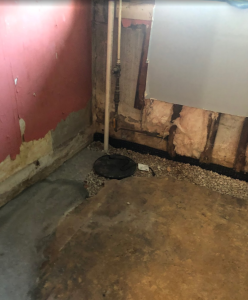
Ignoring your sump pump alarm can often lead to severe consequences. You might think it’s just a minor nuisance, but it’s actually a warning that something’s amiss.
It’s like a smoke detector for your basement, alerting you to potential flooding.
If you ignore the alarm and your basement floods, you’re looking at significant repair costs. Water damage can ruin your flooring, walls, furniture, and any personal items stored there.
In addition, water can promote the growth of mold and mildew, which can lead to health issues and further expenses for removal.
And let’s not forget the emotional toll. Memories can be washed away in an instant, all because you didn’t heed the alarm.
Precious family heirlooms, photos, or other irreplaceable items could be lost forever.
Then there’s the impact on your home’s value. Prospective buyers won’t be attracted to a house with a history of flooding and water damage, decreasing your asking price.
Investing in a Sump Pump Alarm
With the potential consequences in mind, it’s wise to contemplate investing in a sump pump alarm. This isn’t just about safeguarding your home, but also about securing peace of mind.
You won’t always be home to notice if your sump pump fails or water levels start to rise. But a reliable sump pump alarm can be your eyes and ears, alerting you before a serious problem develops.
Here’s why you should consider purchasing a sump pump alarm:
- Proactive protection: The alarm detects issues before they escalate, giving you a chance to intervene early.
- Cost-saving: By preventing basement flooding, it saves you the hefty costs of water damage repairs.
- Convenience: Many sump pump alarms come with remote notifications, so you’re informed even when you’re away from home.
- Home value: A well-protected basement can boost your property value.
In a nutshell, investing in a sump pump alarm is a practical decision. It’s not just about the money you could save, but also about the disaster you’d prevent.
Don’t wait for a basement disaster to strike. Be proactive and protect your home now.
So, don’t wait for disaster to strike. Investing in a sump pump alarm can spare you from costly repairs and emotional distress. Understand how it works, choose the right type, install it correctly, and maintain it regularly. Remember, it’s not just about the cost. It’s about safeguarding your home and peace of mind. Problems may arise, but with a reliable alarm in place, you’ll be ready to address them promptly and efficiently.

With more than 40 years of experience in the industry in both residential and commercial waterproofing; serving the Maryland Metropolitan area and Pennsylvania. Guardian has a proven record of expertise and excellent customer service. Our staff are trained and skilled technicians that work to permanently stop foundation water leaks. Guardian installs state of the art systems and specializes in basement waterproofing, basement finishing, crawl space waterproofing, repair and foundation repair.